Wantage Homeowner's Guide to Getting Rid of Rodents and Insects This Fall
Wantage Homeowner's Guide to Getting Rid of Rodents and Insects This Fall
By late September, Sussex County's overnight lows are already dropping into the 40s — noticeably earlier than central or southern New Jersey. That temperature shift triggers two pest clocks at the same time: mice start scouting entry points, and stink bugs start massing on your south-facing walls. For Wantage homeowners on wooded or semi-rural lots, the two problems share the same front door.
Why Fall Is the Critical Window for Wantage Properties
Northern NJ's earlier cold snaps compress the action window: pests that further south might not move until mid-October are already on the move here in mid-September. Acting before the first hard freeze is the difference between sealing pests out and treating an established infestation inside your walls.
Wantage Township's mix of forest edges, agricultural fields, and older housing stock creates higher pest pressure than suburban NJ towns. Field edges near Route 23 and rural farm borders are active rodent corridors. Detached garages and outbuildings often serve as staging areas — mice move in there first, then work toward the heated main structure as temperatures fall further.
Older homes in the area commonly have foundation gaps, deteriorating sill plates, and aging pipe penetrations that predate modern building-envelope standards. These aren't cosmetic issues; they're the specific entry points both rodents and overwintering insects exploit every fall.
What Rodents Are Getting Into Wantage Homes — and How
Mice can squeeze through a gap of just one-quarter inch; Norway rats need half an inch. Both measurements are smaller than most homeowners expect, which is why a visual check around the foundation often misses active entry points.
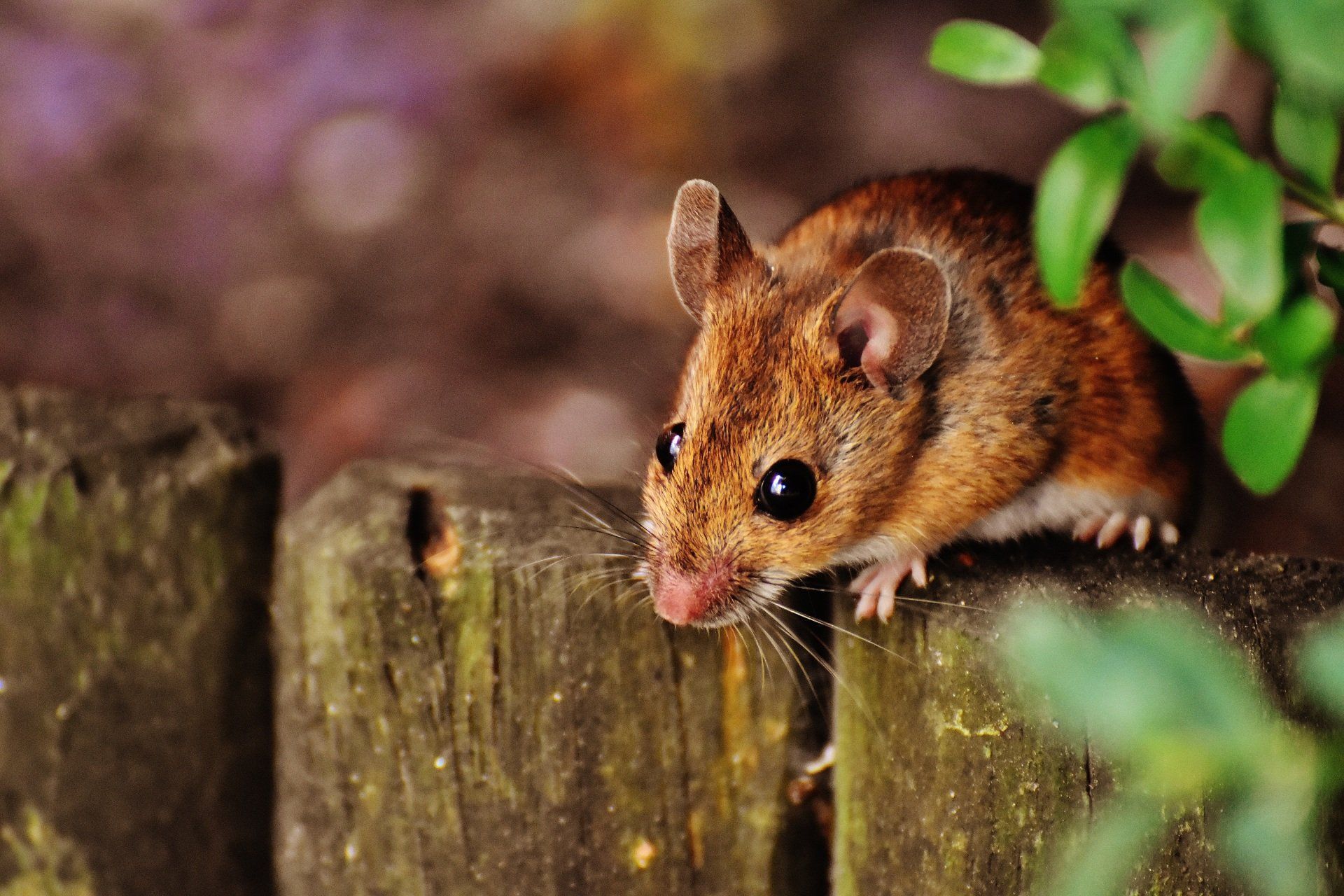
House mice and field mice are the most common fall invaders in Wantage. Norway rats move from harvested crop fields toward foundations in October and November as their food sources disappear. Signs to watch for include small dark droppings near walls or in cabinets, gnaw marks on wood or plastic, scratching sounds in walls after dark, and disturbed insulation in the attic or crawl space.
Professional rodent control services go beyond setting traps. A licensed inspector maps every gap along the foundation, checks where utility lines enter the structure, and assesses the garage door seal and any rotted wood at the sill — the spots a standard homeowner walk-around tends to miss. Finding entry points before sealing them is what prevents re-infestation.
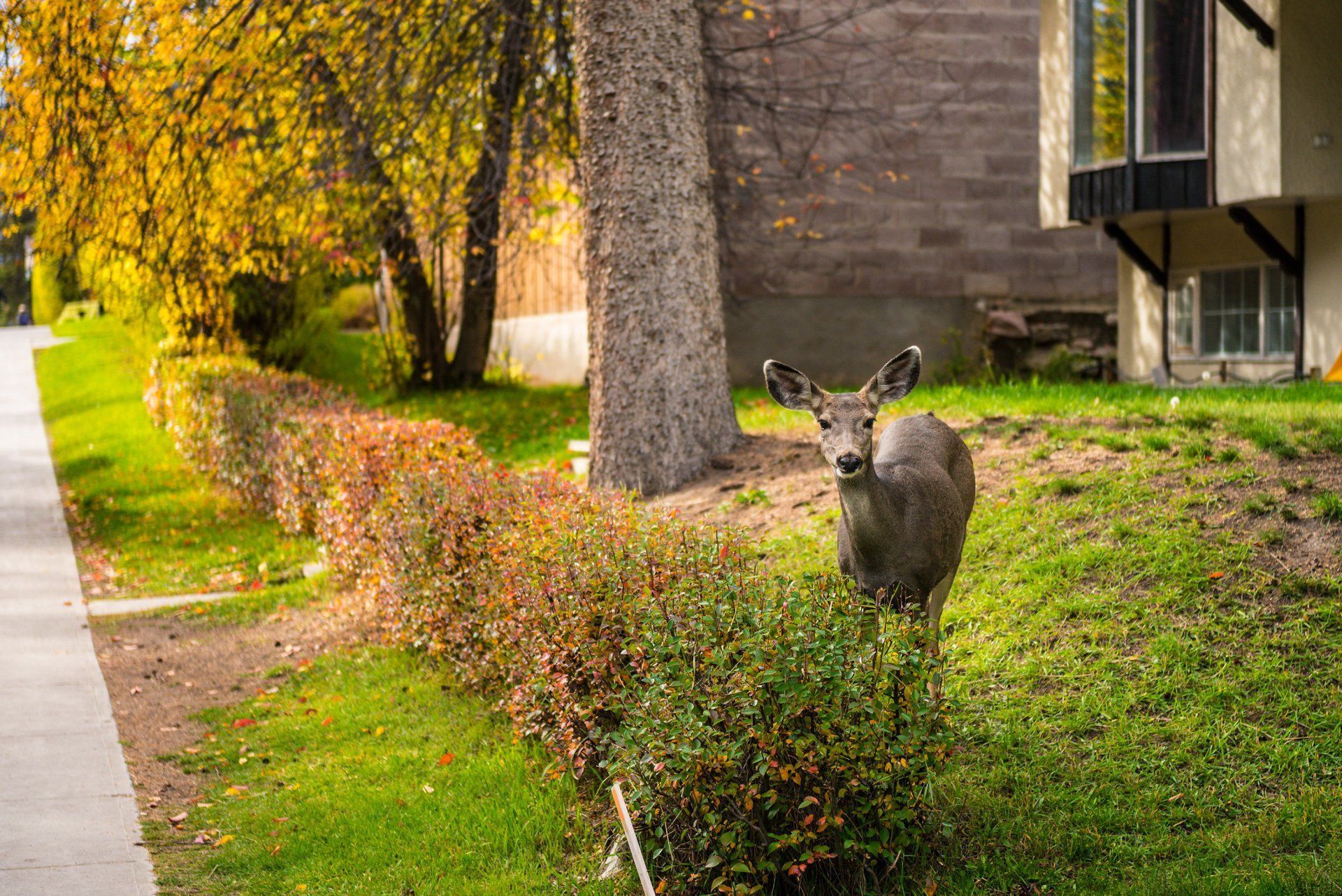
If you notice squirrel or raccoon activity around your roofline, that matters here too. Wildlife can create or enlarge openings that rodents later use as secondary entry points — a situation where wildlife removal overlaps with pest entry and requires a separate service category.
What Insects Are Invading Sussex County Homes in September?
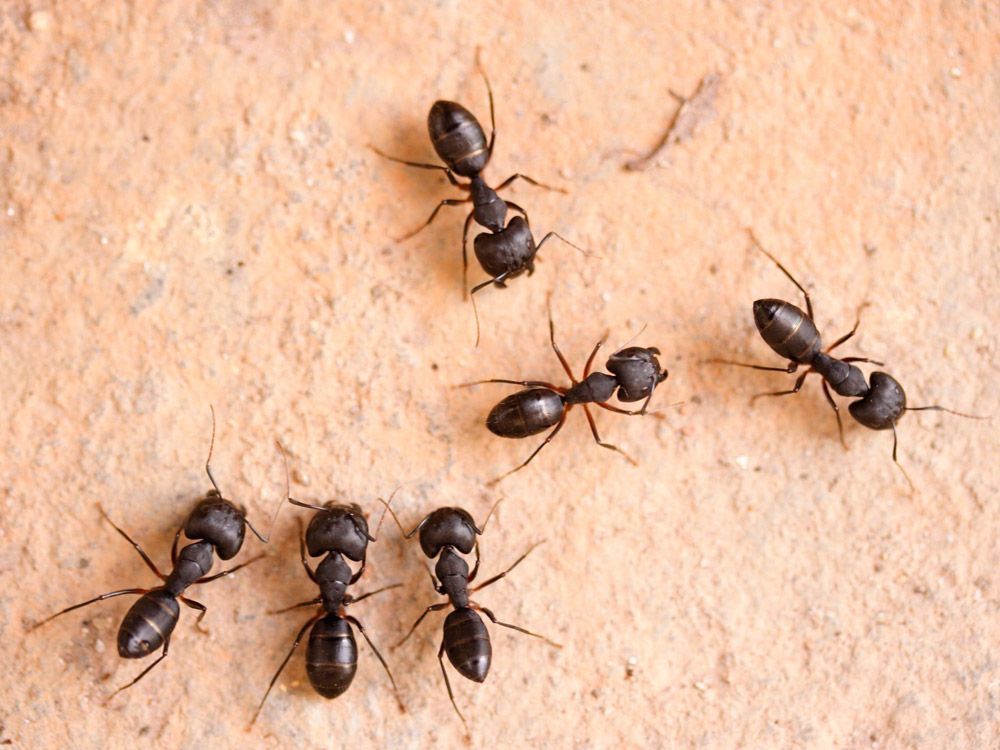
The four main overwintering insects in Sussex County are brown marmorated stink bugs, boxelder bugs, cluster flies, and multicolored Asian lady beetles. All four aggregate on the exterior of your home before forcing entry, and all four use gaps in the building envelope to get inside for the winter.
Stink bugs begin massing on south- and west-facing walls as early as late August. Boxelder bugs follow in September and October. You'll spot them clustering near window frames, soffit vents, ridge vents, and attic louvers — the same structural gaps that rodents probe. Neither pest causes structural damage on its own, but their presence is a reliable signal that your home's envelope has openings worth closing.
The key insight: a gap that lets stink bugs through in October is the same gap a mouse scouts in November. Treating one problem without addressing the other leaves the door open — literally.
How Do You Know If You Have Both Problems?
You can have both a rodent and an insect problem at the same time, and the overlap is common in Wantage because the entry points are shared. Here are the side-by-side indicators to look for.
- Rodent signs: droppings along baseboards, gnaw marks on food packaging or structural wood, sounds in walls at night, tracks in dusty attic spaces
- Insect signs: live or dead stink bugs and boxelder bugs near windows, a faint musty odor indoors (stink bugs), clusters of flies on upper-story windows in October
- Overlap indicator: finding insects inside near the same wall or utility penetration where you also notice rodent droppings — this points to a shared entry zone
DIY inspection tends to catch the obvious signs and miss the structural causes. A trained eye looks at the building as a system, not a list of individual sightings. If you want to identify a specific species before booking an inspection, a pest identification resource can help you confirm what you're seeing.
What a Professional Fall Inspection Covers in Wantage
A licensed NJ pest inspector does more than confirm you have a problem. The inspection maps the problem's source — which is what makes treatment last.
The exterior audit checks foundation gaps, utility penetrations, sill plate condition, garage door seals, soffit and ridge vent integrity, and the condition of window and door frames. The interior inspection covers the attic, crawl space, basement, and any outbuildings for droppings, gnaw damage, insulation disturbance, and live or dead insects. The result is an entry-point map, not just a species list.
That map drives the treatment plan. Exclusion work — physically sealing the identified gaps — addresses both rodents and overwintering insects simultaneously, because the openings are the same.
Integrated Treatment: One Plan for Rodents and Insects
A combined fall treatment approach is both more effective and more practical than running two separate programs. Exclusion seals the shared entry points. Rodent control methods — trapping, baiting stations, and structural exclusion — address the mouse and rat pressure. Perimeter insecticide treatments and void treatments handle overwintering insect populations already working their way inside.
A home pest control plan that covers both categories means one inspection, one set of entry-point repairs, and one seasonal timeline — rather than discovering in December that you addressed the stink bugs but left the mice an open path through the same wall gap.
Green and low-impact options are available and appropriate for many Wantage properties. An Integrated Pest Management (IPM) framework prioritizes exclusion and mechanical controls first, using targeted treatments only where needed. For families with children or pets, or for properties near wetlands and wooded buffers common in Sussex County, asking about low-impact product options during the inspection is a reasonable request.
Sussex County Timing: Why Acting Before the First Freeze Matters
In Wantage, the first hard freeze typically arrives in late October or early November. Once temperatures are consistently below freezing, mice that have already entered are nesting and breeding inside your walls — not just passing through. Stink bugs that made it indoors before the freeze are dormant in voids and will emerge into your living space on the first warm day in late winter.
Waiting until you hear mice in the walls in January means dealing with an established population rather than intercepting one. Exclusion work is also harder and more expensive after a colony is active inside because treatment must precede sealing, adding time and cost. The window between mid-September and the first hard freeze is when exclusion work has the highest return.
Addressing both pest categories together before that freeze closes the gap between what you see on the outside of your home in September and what you find inside your walls in January.
A single integrated fall inspection covers rodents and insects as one connected problem — which is exactly what they are for Wantage properties facing simultaneous seasonal pressure.
Schedule your fall pest inspection before the first hard freeze with Serene Property Services LLC.